
Cocaine Eyes: Recognizing the Physical Signs of Cocaine Use
Published: May 15, 2026
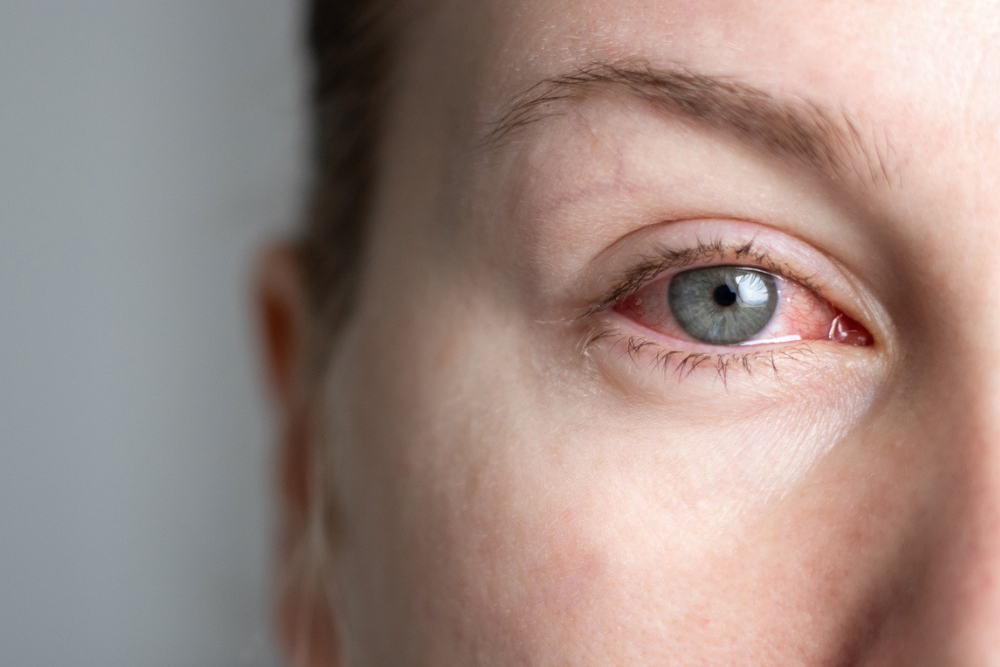
You’ve probably heard someone describe “cocaine eyes” and wondered exactly what that means. The term refers to the distinctive changes in a person’s eyes after using cocaine, and for many families and friends, those changes are one of the first visible clues that something is wrong. The eyes don’t lie. When cocaine enters the body, the effects show up fast, and the face, particularly the eyes, often reveals them before anything else does.
Understanding what cocaine eyes look like, why they happen, and how long they last can help you recognize a problem earlier, whether in someone you love or in yourself.
What Are Cocaine Eyes?
Cocaine is a powerful stimulant that floods the brain with chemical signals in a matter of minutes, and those signals don’t stay confined to the brain. They travel throughout the nervous system, triggering changes in the heart, blood vessels, and, visibly, the eyes. “Cocaine eyes” is the informal term for a collection of eye-related symptoms that appear during and shortly after cocaine use.
How Cocaine Affects the Brain and Eyes
Cocaine works by blocking the reabsorption of norepinephrine, a chemical messenger the body uses to activate its “fight or flight” response. When norepinephrine builds up in the nervous system, it stimulates the muscles that control pupil size, producing rapid and pronounced pupil dilation that doesn’t respond normally to light the way it would under ordinary conditions. A room can be brightly lit, and the pupils still stay wide. That disconnect between light and pupil response is one of the most reliable physical signs of stimulant use.
Why Eye Changes Are Hard to Miss
The pupils are controlled by the autonomic nervous system, meaning a person cannot voluntarily shrink or expand them on command. Cocaine overrides the body’s automatic regulation and holds the pupils open regardless of what the person wants. This is why someone who has recently used cocaine can look strikingly different, with eyes that seem too wide, too intense, or unnaturally alert. Because this response happens whether a person intends it to or not, cocaine eyes are a physical sign that is genuinely difficult to conceal.
The Most Visible Signs of Cocaine Eyes
Each of the eye changes linked to cocaine has a specific physiological cause, and together they create a recognizable pattern. Knowing what to look for makes these signs easier to identify, even in low light or during a brief interaction.
Dilated Pupils (Mydriasis)
Mydriasis, the clinical term for abnormally enlarged pupils, is the hallmark of cocaine eyes. Under normal conditions, pupils constrict in bright light and widen in darkness as a reflex to regulate the amount of light entering the eye. Cocaine disrupts this process entirely by triggering the sympathetic nervous system, which forces the iris muscles to keep the pupil wide regardless of the lighting around the person. Pupils during cocaine use may expand to 6 to 8 millimeters, compared to the typical 2 to 4 millimeters in a well-lit room. Because cocaine simultaneously raises heart rate, blood pressure, and body temperature, mydriasis alongside sweating or visible agitation is a particularly telling combination.
Bloodshot Eyes and Nystagmus
Beyond pupil size, cocaine use produces two other visible eye changes worth knowing. First, cocaine causes vasoconstriction, a narrowing of the blood vessels throughout the body, which reduces oxygen delivery to the surface of the eye. The body responds by expanding the smaller surface vessels, turning the whites of the eyes visibly red. Second, some users develop nystagmus, an involuntary and repetitive side-to-side movement of the eyes caused by cocaine’s impact on the parts of the brain that control eye movement. The person is not controlling those movements, and they typically do not realize they are happening.
How Long Do Cocaine Eyes Last?
The duration of cocaine eyes depends on how much was used, how it was administered, and the individual’s metabolism. Snorting cocaine produces effects that begin within minutes and peak around 20 to 30 minutes. Smoking or injecting cocaine acts even faster, though the acute high tends to be shorter. The eye changes generally mirror the overall timeline of the drug in the body, but some visible signs linger after the high itself has faded.
The Timeline After a Single Use
Here is a general progression of cocaine eyes following a single use:
- Within minutes: Pupils begin to dilate noticeably as norepinephrine floods the system and the sympathetic nervous system activates.
- 30 to 60 minutes: Dilation, redness, and any involuntary eye movements are at their most pronounced.
- 1 to 2 hours: As cocaine clears from the bloodstream, the pupils begin returning toward their normal size.
- Up to 24 hours: Bloodshot eyes and mild dilation can sometimes persist well after the acute high has ended, particularly with heavier use or repeated doses.
What Makes the Effects Last Longer
Larger doses, binge use, and mixing cocaine with other substances all extend how long cocaine eyes remain visible. Polysubstance use is common among people who use cocaine, and combining it with alcohol, for example, creates a compound called cocaethylene in the liver that prolongs cocaine’s stimulant effects and adds strain on the cardiovascular system. Someone using cocaine regularly for days or weeks may have persistently red or watery eyes simply from the repeated cycle of vasoconstriction and irritation.
Other Physical Signs of Cocaine Use to Watch For
Cocaine eyes rarely appear on their own. The same nervous system response that changes the eyes also produces a range of other physical signs throughout the body. These additional clues, considered alongside the eye changes, make a clearer case for what the body is experiencing.
Visible Changes to the Face and Body
Along with the eye changes, cocaine use commonly produces:
- A runny nose, frequent sniffling, or nosebleeds, particularly in people who snort the drug
- Rapid or irregular heartbeat and elevated blood pressure
- Increased sweating or skin that appears flushed
- Significant weight loss from appetite suppression during regular use
- Restlessness, rapid speech, or an inability to stay still
These signs reflect cocaine’s widespread effect on the sympathetic nervous system and can appear even before someone recognizes that their use has become a problem.
When to Be Concerned About Someone You Love
Seeing cocaine eyes once is a reason for concern. Seeing them repeatedly is a reason to act. Cocaine addiction can develop quickly because the drug produces an intense but short-lived high, which drives the urge to use again almost immediately after the first dose wears off. Over time, the brain restructures its chemistry to accommodate the drug, making it progressively harder to feel pleasure or function without it. Cocaine use also frequently co-occurs with anxiety, depression, and other mental health challenges, a relationship known as co-occurring disorders that requires comprehensive professional care to address properly.
Taking the Next Step
If someone you care about shows signs of cocaine eyes alongside other behavioral or physical changes, trust what you are observing. Those physical signs are the body’s way of communicating that something is wrong, and acting on that information can make all the difference.
At Rockland Treatment Center, we provide compassionate, evidence-based treatment for cocaine use disorder and co-occurring conditions. Our programs combine individual therapy, group support, and personalized care that addresses both the psychological grip of addiction and the physical toll that builds over time. We serve residents throughout the Tampa Bay area, including Tampa, Clearwater, St. Petersburg, Brandon, Wesley Chapel, and Land O’ Lakes.
Contact Rockland Treatment Center today. Our team is here to help you or your loved one take the first step toward a clearer, healthier life.