
Blue Lotus: What It Is, How It’s Used, and What the Risks Are
Published: July 9, 2026
Blue lotus has become one of the most talked-about botanicals on the market. Sellers offer it as tea, resin, vape liquid, and gummies. The branding leans heavily on ancient Egypt and words like “natural” and “legal.” What the branding skips is simpler. These products carry no regulation. Their contents can vary wildly from what the label claims.
Anyone considering trying blue lotus deserves the full picture. So does any parent who found it in a teenager’s backpack.
What Is Blue Lotus?
Before getting into how people use it, it helps to know where blue lotus comes from. The plant has a long history, but the chemistry behind its effects is more complicated than most labels admit.
A Flower With Ancient Roots
Blue lotus, known botanically as Nymphaea caerulea, is a water lily native to the Nile River region of Egypt. Images of the flower appear on tomb paintings and papyrus scrolls dating back thousands of years. Some historians believe it played a role in ancient ceremonial and healing practices. Sellers today market it as a sleep aid, an anxiety reliever, and a natural aphrodisiac. Rigorous modern research has not confirmed these traditional claims.
The Compounds Behind Its Effects
Blue lotus contains two alkaloids that get most of the credit for its reputation as a psychoactive compound: apomorphine and nuciferine. Nuciferine interacts with several serotonin and dopamine receptors in the brain. It blocks some of these receptors and activates others. Apomorphine works as a dopamine agonist, meaning it stimulates dopamine activity. That stimulation may explain why users report feelings of calm or mild euphoria. Here’s the catch. Lab testing of authentic blue lotus extracts has found that apomorphine and nuciferine often appear only in trace amounts. The real plant may be far less potent than sellers suggest.
How Is Blue Lotus Used Today?
People come across blue lotus in several different forms. The method someone chooses changes both the strength of the effects and the level of risk involved.
Tea, Tinctures, and Traditional Prep
Historically, people steeped blue lotus flowers in wine or hot water to make a mild, calming drink. Tea remains the most traditional method today. It tends to produce the gentlest effects, since heat and water only pull out small amounts of the active compounds.
Sellers currently offer blue lotus in several forms, including:
- Dried whole flowers for brewing tea
- Tinctures and liquid extracts
- Resins meant for smoking
- Vape cartridges and disposable e-cigarettes
- Gummies and other edibles
Vaping and Smoking Blue Lotus Products
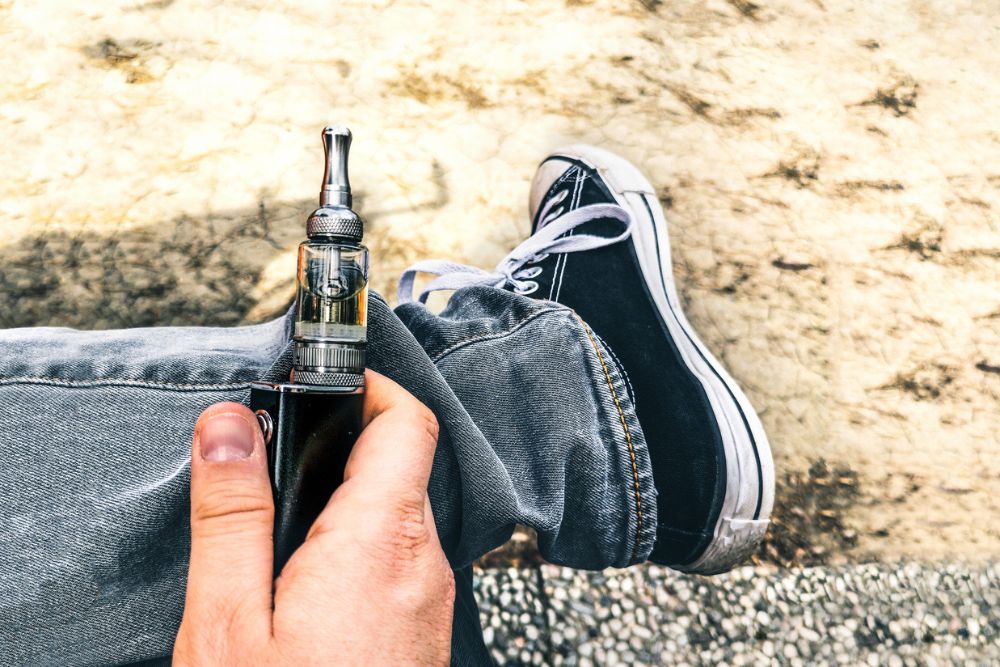
Vaping and smoking deliver a much stronger, faster effect than tea. Inhalation sends the compounds directly into the bloodstream. This is also where the most serious safety concerns show up. A case series in a military medical journal described five active-duty service members who ended up in the emergency room. Four had vaped blue lotus products, and one had drunk an infused beverage. All five experienced altered mental status, sedation, and perceptual disturbances that required medical evaluation.
What Does Blue Lotus Do to the Body and Mind?
The effects people report depend heavily on dose and method. They also depend on what’s actually inside the product they bought, which isn’t always what the label says.
Reported Effects at Different Doses
At lower doses, typically from tea, users describe mild relaxation, a sense of calm, and more vivid dreaming. Higher doses come mainly from vaping or smoking concentrated resin. Effects at that level can include euphoria, hallucinations, disorientation, and a faster heart rate. No standard dosing exists, and no regulatory body checks potency. That means two products labeled the same way can produce very different experiences in the same person.
When Use Turns Into a Medical Emergency
Altered mental status from blue lotus can look alarming, and in some cases it requires emergency care. If someone has used blue lotus and shows signs of trouble, these steps can help:
- Stay with the person and keep them calm; sudden confusion or hallucinations can be frightening.
- Watch for warning signs such as slurred speech, extreme drowsiness, a rapid heartbeat, or unresponsiveness.
- Call 911 if the person loses consciousness, struggles to breathe, or shows signs of a seizure.
- Tell emergency responders exactly what was used and how; blue lotus does not always show up on standard drug screens.
- Avoid giving the person food, water, or other substances until medical help arrives.
Why Are Blue Lotus Products So Risky Right Now?
Beyond the plant’s own chemistry, the current blue lotus market hides a much bigger problem under the marketing. This is where the danger shifts from unpredictable to genuinely alarming.
Legal Gray Area and No FDA Oversight
Blue lotus is legal to buy in most of the United States, but legal doesn’t mean approved or monitored. The FDA has not approved blue lotus for human consumption. Sellers of dietary supplements aren’t required to prove safety or list ingredients accurately before putting products on shelves. That regulatory gap is exactly what has let the market fill with inconsistent, sometimes contaminated products.
The Synthetic Cannabinoid Problem
Most blue lotus marketing skips this part entirely. In 2024, U.S. Army forensic scientists analyzed seized drug samples and made an alarming discovery. They identified synthetic cannabinoids in the majority of products labeled blue lotus or valerian root. Some of those compounds are linked to serious cardiovascular and neurological toxicity. In plain terms, sellers secretly spike many “gentle Egyptian flower tea” products with lab-made chemicals. Those chemicals behave nothing like the real plant. The “high,” or the medical emergency someone experiences, may have little to do with blue lotus at all. It may instead come from an unlisted synthetic drug mixed into the product.
When Blue Lotus Use Signals a Bigger Problem
Trying an unregulated substance once out of curiosity is one thing. Reaching for it regularly to cope with stress, anxiety, or sleep problems is another. Recognizing that difference early can prevent a much harder road later.
Recognizing Risk Factors for Dependence
Regular use of any mood-altering substance, even one marketed as natural, can turn into psychological dependence. Warning signs include needing it to fall asleep or relax and using it despite negative effects. Hiding use from family or struggling to get through the day without it are warning signs too. These patterns often overlap with other substance use, particularly cannabis use. Both share similar behavioral warning signs of a use disorder.
How Rockland Treatment Center Can Help
If blue lotus, synthetic cannabinoids, or any other substance has become part of a bigger pattern of use, professional support can make a real difference. At Rockland Treatment Center, our team provides evidence-based treatment for substance use disorders, including cases involving marijuana and cannabinoid-related substances. Our programs combine individual therapy, group support, and personalized care that addresses both the physical and psychological sides of addiction. We serve residents throughout the Tampa Bay area, including Tampa, Clearwater, St. Petersburg, Brandon, Wesley Chapel, and Land O’ Lakes.
If you’re noticing that a “harmless” habit has quietly turned into something you can’t put down, reach out to Rockland Treatment Center today. Our compassionate team is ready to help you sort out what’s really going on and find a path toward feeling steady again.