
Marijuana Use and Greening Out: What It Means and Why It Happens
Published: August 6, 2026
Your brain holds more cannabinoid receptors than almost any other receptor type in the nervous system, packed densely into the regions that control memory, coordination, and fear response. When tetrahydrocannabinol, or THC, floods those receptors faster than your body can keep up, the nervous system essentially short-circuits. People have a casual name for that reaction: greening out. It gets tossed around in conversation like it’s no big deal, but the experience behind the phrase is a real, measurable response with a clear biological cause, and it can be far more disruptive than most users expect.
What Does Greening Out Mean?
Greening out describes what happens when someone consumes more THC than their body can comfortably process. It isn’t a formal medical diagnosis, but doctors and addiction specialists recognize it as a genuine form of cannabis intoxication that can range from mildly unpleasant to genuinely frightening. Understanding where the term comes from helps explain why it catches so many people off guard.
A Reaction, Not Just a Bad High
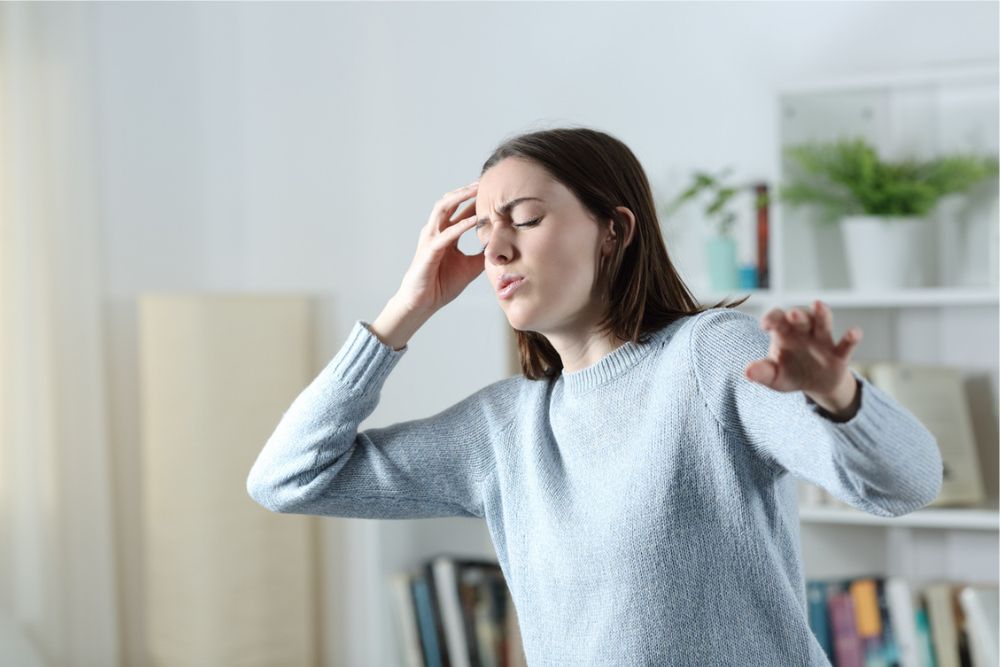
Greening out goes beyond simply feeling “too high.” It’s a physiological overload where the body’s stress response kicks in alongside the intoxication, producing nausea, dizziness, and a racing heart on top of the usual effects of marijuana. Many people assume more THC just means a stronger, more enjoyable experience, but past a certain point, the body treats it as a threat rather than a pleasure.
Where the Term Comes From
The phrase likely grew out of “blacking out,” the term used for severe alcohol intoxication, with cannabis users adapting it to fit the green color associated with the plant. It started circulating in cannabis culture decades ago and picked up steam online in the early 2000s. Today it’s widely used shorthand, even though most people who say it have never looked into what’s actually happening in their bodies.
What Happens Inside Your Body When You Green Out?
The mechanics behind greening out come down to how THC interacts with a receptor system that already exists in your brain and body. Once you understand that system, the symptoms stop feeling random and start making sense.
THC Overwhelms the Endocannabinoid System
Your body naturally produces its own cannabinoid-like chemicals that bind to CB1 receptors throughout the brain, particularly in areas that manage memory, movement, and mood. THC mimics those natural chemicals, but in far larger and less regulated amounts. When THC saturates CB1 receptors, it disrupts normal signaling in those regions, which is why greening out often brings confusion, poor coordination, and a spike in anxiety all at once.
Why Edibles Hit Differently
Edibles carry a unique risk because of the delayed absorption that comes with digesting THC rather than inhaling it. Smoking or vaping delivers effects within minutes, so users can gauge how high they’re getting as they go. Edibles can take one to two hours to produce peak effects, which leads many people to eat more before the first dose has even kicked in. By the time the full effect lands, they’ve already consumed far more THC than they intended.
What Are the Signs of Greening Out?
Greening out doesn’t look the same for everyone, but certain symptoms show up consistently enough to be recognizable. Knowing what to watch for makes it easier to respond quickly, whether it’s happening to you or to someone you’re with.
Physical Symptoms to Watch For
The body tends to react first, often before the psychological symptoms fully set in. Common physical signs include:
- Nausea or vomiting
- Dizziness or a spinning sensation
- Pale or clammy skin
- A racing or pounding heartbeat
- Sweating, even in a cool room
- Trouble standing or walking steadily
Psychological Symptoms That Often Follow
Once the physical symptoms take hold, the mental effects usually follow close behind. Anxiety and paranoia are especially common, sometimes escalating into a full panic response. Some people describe a sense of depersonalization, where they feel disconnected from their own body or surroundings, which can be one of the more distressing parts of the experience even though it typically passes on its own.
Who Is Most at Risk of Greening Out?
Anyone who uses cannabis can green out, but some circumstances make it far more likely. Recognizing these risk factors ahead of time is one of the simplest ways to avoid an unpleasant night.
New Users and People With Low Tolerance
People trying cannabis for the first time, or returning to it after a long break, have little sense of how much THC their body can handle. Without a frame of reference, it’s easy to consume more than intended, especially in social settings where everyone else seems fine after the same amount.
High-Potency Products and Mixing Substances
Today’s cannabis products are far stronger than they used to be, and that shift has consequences. Higher THC concentrations in vapes, dabs, and concentrates make it much easier to consume more THC than planned, even for people who consider themselves experienced. Mixing marijuana with alcohol or other substances also raises the risk significantly, since the combination amplifies dizziness, nausea, and impaired judgment. Rockland has written before about THCA products marketed as a milder alternative, but once heated, they convert fully into THC and carry the same greening-out risk as any other high-potency product.
What Should You Do If You or Someone Else Greens Out?
Greening out is rarely a medical emergency on its own, but it can feel alarming while it’s happening. Having a plan ready, for yourself or for a friend, makes the experience far less overwhelming.
Immediate Steps to Take
If you notice the symptoms setting in, a few simple actions can help the body settle down:
- Move to a calm, quiet space away from noise and crowds.
- Sit or lie down to reduce dizziness and prevent falls.
- Sip water slowly to stay hydrated without upsetting the stomach further.
- Focus on slow, steady breathing to calm a racing heart.
- Let the person know the feeling is temporary and will pass with time.
When to Call for Emergency Help
Most greening out episodes resolve within a few hours without medical intervention. Still, some situations call for professional attention right away, including chest pain, extreme confusion, difficulty breathing, or loss of consciousness. Because cannabis edibles can lead to cannabis poisoning in cases of accidental or excessive ingestion, it’s always safer to call 911 or a poison control center when symptoms feel unusually severe.
Is Greening Out a Sign of a Bigger Problem?
A single greening out experience usually just means someone misjudged their dose. A pattern of repeated episodes tells a different story, one worth paying attention to.
Occasional Versus Frequent Episodes
One rough night after trying a new product doesn’t necessarily point to a larger issue. Frequent greening out, on the other hand, often signals that a person’s tolerance keeps rising, pushing them to use larger amounts to feel any effect at all. That climbing tolerance is one of the early markers of problematic use.
When Marijuana Use Starts to Feel Out of Control
Needing more THC to get high, struggling to cut back, or continuing to use despite negative consequences are all signs that cannabis use has moved beyond casual. Cannabis use disorder affects a meaningful share of regular users, and the risk climbs sharply for people who started using as teenagers. Recognizing that shift early makes it easier to get support before the consequences deepen.
Taking Care of Yourself Going Forward
Greening out is your body’s way of telling you it’s had more THC than it can comfortably handle. Listening to that signal, whether it happens once or keeps happening, is worth taking seriously. If marijuana use has started to feel less like a choice and more like a habit you can’t shake, support is available.
At Rockland Treatment Center, we provide compassionate, evidence-based marijuana addiction treatment for people who feel their cannabis use has become unmanageable. Our programs combine individual therapy, group support, and personalized care that addresses both the physical and psychological sides of addiction. We serve residents throughout the Tampa Bay area, including Tampa, Clearwater, St. Petersburg, Brandon, Wesley Chapel, and Land O’ Lakes.
Contact Rockland Treatment Center today, and let our team help you build a healthier relationship with recovery, one step at a time.