
Drunk Eyes and Other Physical Signs of Drinking
Published: November 13, 2025
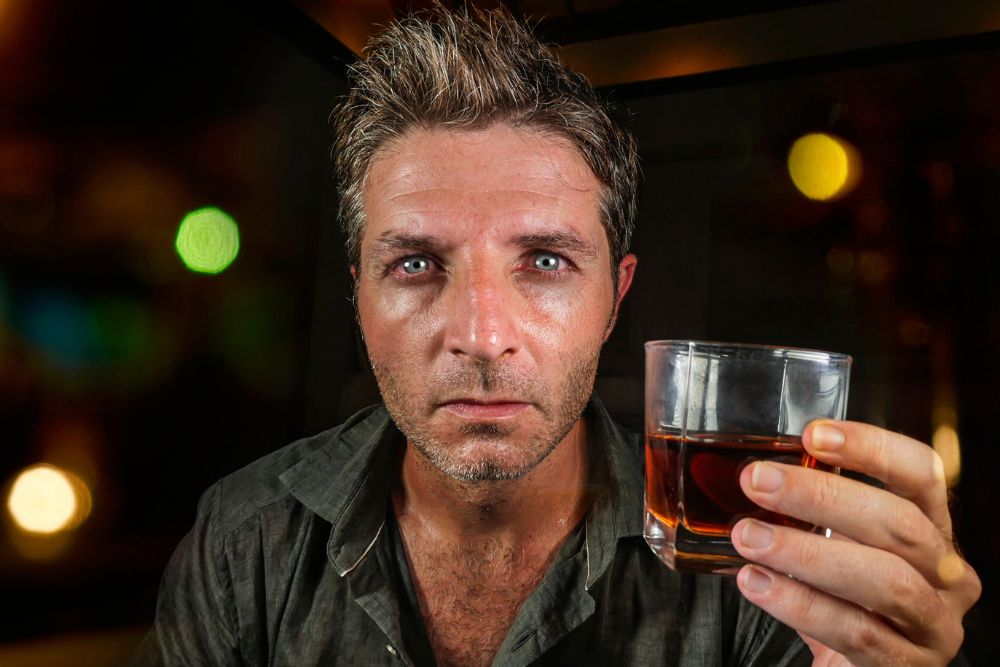
If you’ve ever wondered whether someone has had too much to drink, their eyes often tell the story before anything else does. “Drunk eyes” is more than just a colloquial term; it refers to a collection of visible eye changes that occur when alcohol affects the central nervous system. But the eyes aren’t the only part of the body that reveals alcohol consumption. From flushed skin to unsteady movements, the physical signs of drinking can be impossible to hide.
What Are Drunk Eyes? The Science Behind Alcohol’s Effect on Vision
Drunk eyes refer to the distinctive appearance and function of the eyes after consuming alcohol. These changes happen because alcohol is a depressant that slows down communication between the brain and the rest of the body, including the muscles that control eye movement and focus.
When you drink, alcohol enters your bloodstream and reaches your brain within minutes. The effects on your eyes can include:
- Bloodshot or Red Eyes: Alcohol causes blood vessels throughout the body to dilate, including the tiny capillaries in your eyes. This creates that characteristic bloodshot appearance that’s one of the most recognizable signs of drinking. The redness can persist for hours after drinking stops.
- Glassy or Glazed Appearance: Drunk eyes often look glassy, watery, or unfocused. Alcohol reduces tear production and disrupts the eye’s natural lubrication system, creating a shiny, glazed-over look. This happens because alcohol is a diuretic—it dehydrates your body, including your eyes.
- Dilated or Constricted Pupils: While alcohol itself tends to cause slight pupil dilation, the lighting conditions and other factors can make pupils appear larger or smaller than normal. More importantly, pupils may react slowly to changes in light when someone is intoxicated.
- Difficulty Focusing: The muscles that control eye movement become sluggish under alcohol’s influence. This leads to difficulty tracking moving objects, problems with depth perception, and challenges focusing on things up close or far away. You might notice someone struggling to maintain eye contact or their gaze wandering.
- Involuntary Eye Movements (Nystagmus): One of the most clinically significant signs is horizontal gaze nystagmus, an involuntary jerking of the eyes when looking to the side. Law enforcement officers are trained to look for this during sobriety tests because it’s a reliable indicator of impairment.
Beyond the Eyes: Complete Physical Signs of Alcohol Intoxication
While drunk eyes are often the first thing people notice, alcohol affects your entire body in visible ways. Here’s what to look for:
Facial Changes
- Flushed or Red Face: Just like with the eyes, alcohol causes facial blood vessels to expand, creating a flushed, red appearance, especially across the cheeks and nose. Some people experience this more intensely due to a genetic variation that affects how their body breaks down alcohol.
- Sweating: Alcohol disrupts your body’s temperature regulation, often causing excessive sweating even in cool environments. You might notice someone looking clammy or perspiring more than the situation warrants.
Movement and Coordination Issues
- Unsteady Gait: One of the most obvious signs of intoxication is difficulty walking in a straight line. Alcohol affects the cerebellum, the part of your brain responsible for balance and coordination. This leads to swaying, stumbling, or a wide-based stance for stability.
- Slowed Reflexes: Reaction times significantly decrease under the influence of alcohol. Simple tasks like catching something tossed your way or quickly stepping aside become challenging.
- Poor Fine Motor Control: Watch for fumbling with objects, difficulty with buttons or zippers, dropping things, or struggling with tasks that require precision. Handwriting often becomes messier, and typing becomes error-prone.
Speech Changes
- Slurred Speech: Alcohol affects the muscles involved in speech production, causing words to blend together or sound unclear. Consonants become especially difficult to articulate clearly.
- Slower Speech Patterns: Beyond slurring, intoxicated individuals often speak more slowly, take longer pauses between thoughts, or have trouble finding the right words.
- Louder Volume: Many people become louder when drinking, speaking at inappropriate volumes without realizing it.
Behavioral and Cognitive Signs
- Impaired Judgment: Poor decision-making is a hallmark of intoxication. This might manifest as taking unnecessary risks, saying inappropriate things, or making choices someone would normally avoid.
- Mood Swings: Alcohol is a mood-altering substance. You might notice rapid shifts between euphoria and sadness, aggression, or emotional sensitivity.
- Reduced Inhibitions: Behaviors that someone would typically suppress or control become more likely, such as oversharing personal information, inappropriate flirting, or confrontational attitudes.
- Memory Problems: Short-term memory suffers under alcohol’s influence. Someone might repeat stories, forget what they just said, or lose track of conversations.
Other Physical Indicators
- Strong Alcohol Odor: The smell of alcohol on someone’s breath, clothing, or skin is an obvious indicator. However, the absence of smell doesn’t mean someone hasn’t been drinking—some beverages and circumstances mask the odor more effectively.
- Changes in Skin Temperature: Alcohol creates a false sense of warmth while actually lowering core body temperature. Someone might feel hot and remove layers inappropriately for the weather.
- Nausea or Vomiting: As blood alcohol levels rise, the stomach and inner ear become irritated, leading to nausea and potentially vomiting.
How Long Do Drunk Eyes and Other Signs Last?
The duration of physical signs depends on several factors:
- Amount consumed: More alcohol means longer-lasting effects
- Body weight and composition: Smaller individuals and those with less muscle mass are affected more intensely
- Food consumption: Drinking on an empty stomach intensifies and speeds up effects
- Metabolism: Everyone processes alcohol at different rates
- Hydration levels: Dehydration amplifies symptoms
On average, the body metabolizes about one standard drink per hour. However, visible signs like bloodshot eyes can persist for several hours after the alcohol has been processed. Chronic heavy drinking can cause some physical signs, like facial redness or persistent eye issues, to become semi-permanent.
When Physical Signs Indicate a Serious Problem
Occasional social drinking might cause temporary drunk eyes and other signs, but certain patterns indicate alcohol use disorder or alcohol abuse:
- Physical signs appearing regularly or daily
- Needing alcohol in the morning to function (experiencing withdrawal symptoms)
- Continuing to drink despite negative consequences
- Increased tolerance—needing more alcohol to achieve the same effects
- Neglecting responsibilities due to drinking or recovery from drinking
- Failed attempts to cut back or quit
- Persistent bloodshot eyes or facial redness even when not actively drinking
Additionally, some physical signs require immediate medical attention:
- Alcohol poisoning symptoms: Confusion, vomiting, seizures, slow breathing (less than 8 breaths per minute), irregular breathing, hypothermia, pale or blue-tinged skin, unconsciousness
- Severe dehydration: Extreme thirst, very dark urine, dizziness, rapid heartbeat
- Signs of liver damage: Yellowing of the eyes or skin (jaundice), swollen abdomen, dark urine
- Withdrawal symptoms: Tremors, severe anxiety, hallucinations, seizures
If you or someone you know experiences these symptoms, seek emergency medical care immediately.
The Long-term Physical Effects of Chronic Drinking
While drunk eyes and flushed skin are temporary for occasional drinkers, chronic alcohol use creates lasting physical changes:
- Permanent Eye Damage: Long-term heavy drinking can lead to optic neuropathy (damage to the optic nerve), vitamin deficiencies that affect vision, and increased risk of cataracts. Persistently bloodshot eyes can indicate chronic inflammation.
- Facial Changes: Chronic drinking often causes rhinophyma (enlarged, red nose), permanent facial flushing, broken capillaries across the cheeks and nose, and premature aging of the skin.
- Neurological Damage: The coordination issues that seem temporary when drunk can become permanent with conditions like alcoholic neuropathy or cerebellar degeneration, leading to persistent balance problems and tremors.
- Cognitive Decline: Memory problems and difficulty concentrating can become chronic conditions, potentially progressing to alcohol-related dementia.
Recognizing the Signs in Someone You Love
If you’re concerned about a family member, friend, or partner, here’s what to look for beyond the immediate physical signs:
- Hiding or lying about drinking habits
- Drinking alone or in secret
- Personality changes when drinking or when unable to drink
- Financial problems related to purchasing alcohol
- Legal issues such as DUIs
- Relationship problems stemming from alcohol use
- Defensive reactions when questioned about drinking
Having a conversation about these concerns can be challenging. Approach from a place of care rather than judgment, focus on specific behaviors you’ve observed, and offer support in seeking help.
How Rockland Treatment Center Can Help
Recognizing drunk eyes and other physical signs of drinking is the first step. The next step is getting help. At Rockland Treatment Center, we understand that acknowledging a problem with alcohol takes courage, and we’re here to support you or your loved one through every stage of recovery.
Take the First Step Toward Recovery Today
Don’t let drunk eyes and other warning signs go ignored. If you or a loved one is struggling with alcohol use, Rockland Treatment Center is here to help. Our compassionate team of addiction specialists in New Port Richey, Florida, provides personalized care in a supportive environment designed for healing and growth.
Located in New Port Richey, FL, Rockland Treatment Center serves individuals and families throughout Pasco County and the greater Tampa Bay area, including Tampa, Clearwater, St. Petersburg, Spring Hill, Land O’ Lakes, Wesley Chapel, and surrounding communities. We accept most insurance plans and offer confidential assessments to help you understand your treatment options.
Recovery starts with a single decision to seek help. Contact us online to speak with an admissions coordinator.