
Meth Mouth Explained: How Methamphetamine Damages Teeth and Gums
Published: May 26, 2026
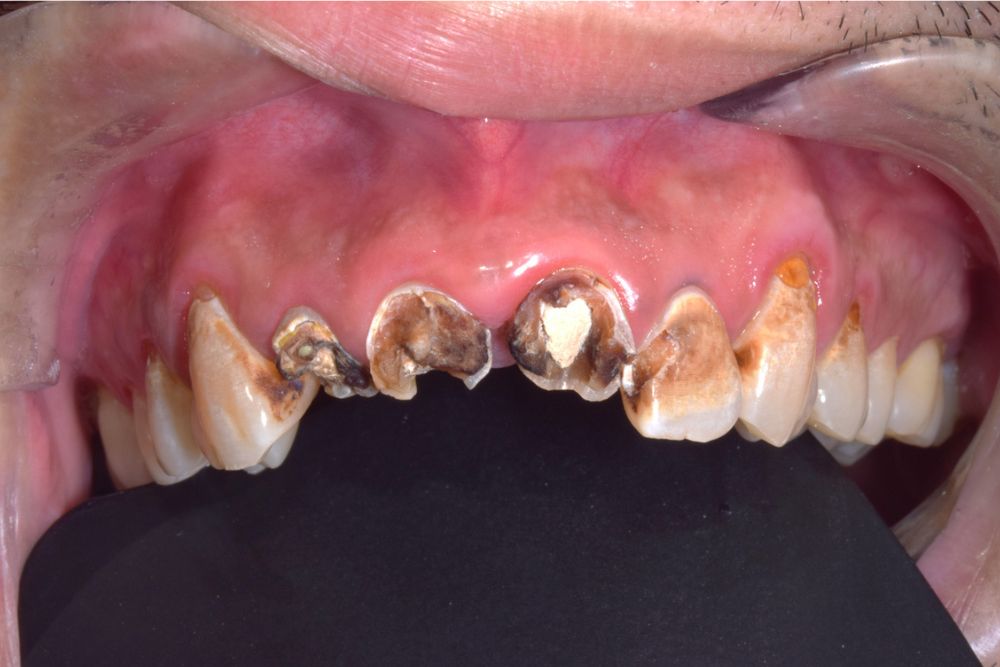
There is a reason dentists can often identify methamphetamine use before a patient ever says a word. The damage meth does to teeth and gums is unlike almost anything else in medicine. Blackened, crumbling teeth. Gums that recede until they look raw. Tooth loss can happen within months, not years. This is what’s known as meth mouth, and it’s one of the most visible consequences of methamphetamine addiction.
Understanding why this happens and how quickly it happens matters. For people struggling with meth use, and for their families, the mouth is often the first place the damage becomes impossible to ignore.
What Does Meth Mouth Look Like?
Meth mouth doesn’t develop the same way in everyone, but the pattern is recognizable. The destruction tends to move quickly and be severe. Most people think of tooth decay as something that builds slowly over years of neglect. With methamphetamine, that timeline collapses.
The Physical Signs You’ll Notice First
The teeth of someone with meth mouth are typically described as blackened, stained, rotting, crumbling, or falling apart. The decay often appears first along the gum line and between the teeth, rather than on the biting surfaces, where cavities more commonly appear. Gums become inflamed and pull away from the teeth, a condition called periodontitis, or severe gum disease that destroys the tissue and bone holding teeth in place.
According to the American Dental Association, an examination of 571 methamphetamine users found that 96% had cavities, 58% had untreated tooth decay, and 31% had six or more missing teeth. Those aren’t small numbers. That’s nearly every person in the study showing significant dental disease.
How Fast Does Meth Destroy Teeth?
The speed of meth mouth is what makes it so alarming. Research shows that years of methamphetamine use can produce dental damage that would normally take decades to accumulate. A high from meth can last up to 12 hours, which means long stretches of time where users are not eating, not drinking water, and not brushing their teeth. Multiply that across days, weeks, and months of use, and the damage compounds quickly. For many people, teeth that were healthy before meth use become unsalvageable within a year or two.
Why Methamphetamine Is So Destructive to Oral Health
Meth mouth is not simply the result of poor hygiene, though hygiene is part of it. The drug itself creates a combination of chemical and behavioral conditions that attack teeth from several directions at once. Each factor on its own would be damaging. Together, they’re devastating.
Dry Mouth, Acid, and the Chemistry of Decay
Saliva is your mouth’s natural defense system. It neutralizes acid, washes away bacteria, and helps repair early enamel damage. Methamphetamine causes severe xerostomia, which is the medical term for chronic dry mouth, by reducing saliva production dramatically. Without that protective layer, bacteria multiply freely and acid attacks the enamel unchecked.
Meth itself is also an acidic substance, which coats the teeth and gums directly with acid, accelerating erosion of the enamel, the hard outer shell that protects each tooth. Once enamel is gone, it doesn’t grow back. The tooth becomes vulnerable to decay at an accelerated rate, and the process becomes self-reinforcing.
Bruxism, Sugar Cravings, and Behavioral Risk Factors
Beyond the chemical damage, meth changes behavior in ways that make things significantly worse. Bruxism, the medical term for grinding or clenching teeth, is extremely common among meth users. The stimulant effects of the drug keep the jaw tense and active, often for hours at a time. This grinding fractures enamel, cracks teeth, and puts enormous stress on the gums and jaw.
While high, users also tend to crave high-sugar, carbonated beverages. These drinks feed the bacteria already thriving in a dry, acid-rich mouth, dramatically accelerating cavity formation. Combine that with the fact that someone in the middle of a 12-hour high is not stopping to brush their teeth, and the conditions for rapid dental destruction are firmly in place.
The main contributing factors to meth mouth include:
- Severe dry mouth caused by the drug’s effects on the saliva glands
- The acidic chemical composition of methamphetamine itself
- Teeth grinding and jaw clenching during the high
- Extended periods of poor oral hygiene
- Heavy consumption of sugary, acidic drinks while using
- Nutritional deficiencies from appetite suppression and poor diet
The Broader Health and Social Impact of Meth Mouth
Dental damage from methamphetamine use rarely stays a dental problem. The effects ripple outward into physical health, mental health, and a person’s ability to engage with the world around them. This matters for recovery because shame and isolation are among the most powerful forces that keep people stuck in addiction.
Pain, Infection, and Physical Health Consequences
Severe tooth decay is painful, and that pain is constant. Exposed nerves, cracked teeth, and infected gums create chronic discomfort that affects sleep, concentration, and overall quality of life. Untreated dental infections can spread to the jaw and, in severe cases, to the bloodstream, a condition called sepsis that can become life-threatening. The mouth is not isolated from the rest of the body. Bacterial infections that start in the gums have been linked to increased risk of cardiovascular disease and other systemic conditions.
Shame as a Barrier to Getting Help
One of the most damaging effects of meth mouth is what it does to a person’s sense of self. Visible dental deterioration is stigmatizing in ways that internal damage simply isn’t. People with meth mouth often stop smiling, avoid social interaction, and feel deep shame about their appearance. That shame can become a barrier to seeking treatment, because asking for help means letting someone see the full extent of what has happened.
This matters. Stigma around addiction already makes it harder for people to reach out. When physical appearance becomes an added source of shame, the isolation deepens. Addressing meth mouth as a treatable medical consequence of addiction, rather than a moral failing, is part of how effective treatment approaches the whole person.
Can Meth Mouth Be Treated?
The honest answer is: it depends on how much damage has occurred, and whether the person has stopped using. Dental treatment while someone is still actively using methamphetamine is rarely effective, because the same forces causing the damage continue to undo any repair work. Recovery has to come first.
What Dental Restoration Can Look Like
Once someone is in recovery, dental treatment for meth mouth typically happens in stages. Severely damaged or infected teeth may need to be extracted first. From there, depending on the extent of the damage and available resources, options can include:
- Treating gum disease through deep cleaning procedures called scaling and root planing
- Filling remaining cavities with restorative material
- Placing crowns on cracked or weakened teeth that can be saved
- Partial or full dentures for cases involving significant tooth loss
- Dental implants in cases where bone health is sufficient
The path is long and sometimes expensive, but many people in recovery do restore meaningful dental function. More importantly, for many people, beginning that process is itself a powerful act of self-care that supports recovery.
Recovery Comes Before Restoration
Treating the dental damage without addressing methamphetamine addiction is like patching a leak without turning off the water. The physical consequences of meth mouth, as severe as they are, reflect a broader health crisis that requires comprehensive treatment. Medical detox, behavioral therapy, and long-term support address the underlying addiction so that physical healing becomes possible and sustainable.
Taking the Next Step
If you or someone you love is using methamphetamine, the damage visible in the mouth is a signal worth taking seriously. Meth mouth doesn’t develop in isolation; it develops alongside a range of serious health consequences, all of which can be addressed with the right care and support.
At Rockland Treatment Center, we provide compassionate, evidence-based treatment for methamphetamine addiction. Our programs combine individual therapy, group support, and personalized care that address both the physical and psychological sides of addiction. We serve residents throughout the Tampa Bay area, including Tampa, Clearwater, St. Petersburg, Brandon, Wesley Chapel, and Land O’ Lakes.
You don’t have to wait until things get worse. Contact Rockland Treatment Center today, and let our team help you take the first step toward recovery and a healthier life.