
THCA vs THC: How They Affect the Body and Why Caution Is Needed
Published: March 6, 2026
You’ve probably heard a lot about THC, the compound in marijuana that gets you high. But lately, a different term keeps popping up at smoke shops, gas stations, and online retailers: THCA. It’s being sold in hemp flower, pre-rolls, gummies, and vapes, often with the implication that it’s somehow legal, natural, or safer than regular cannabis. So what is THCA, really? And is it as different from THC as sellers suggest?
The short answer is: not very different at all. Understanding the distinction matters, especially if you or someone you love is using it.
What Is THCA?
THCA stands for tetrahydrocannabinolic acid. It’s the raw, unactivated form of THC found in the cannabis plant before it’s exposed to heat. In its natural state, THCA does not produce a high. The molecule’s chemical structure prevents it from binding to the receptors in your brain the way THC does.
Think of it like this: THCA is the “locked” version of THC. It exists in raw, freshly harvested cannabis and has no significant psychoactive effect on its own.
The Decarboxylation Process: Where THCA Becomes THC
Here’s where the important science comes in. When you apply heat through smoking, vaping, or even cooking, THCA undergoes a chemical reaction called decarboxylation (pronounced dee-carb-OX-uh-LAY-shun), meaning it sheds a carboxyl group and converts directly into THC. The same substance that creates no high in its raw form becomes fully psychoactive the moment heat is applied.
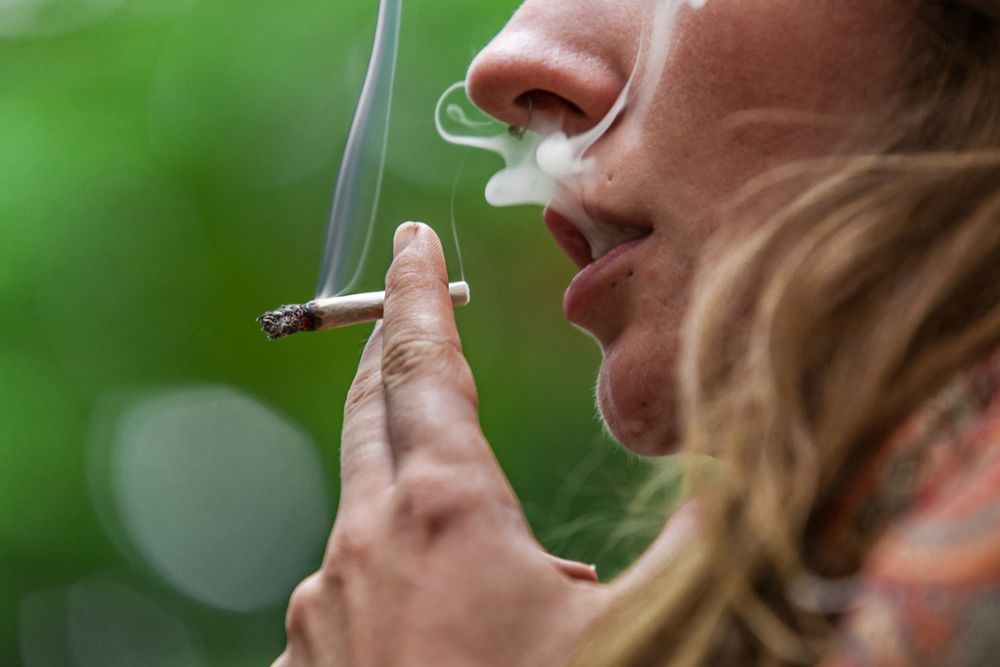
So when someone smokes or vapes a THCA product, they’re consuming THC. The “THCA” label describes only what the compound looks like before it’s used, not what it becomes in your body.
Why Are THCA Products Being Sold Legally?
This is where things get complicated, and frankly, confusing by design.
Under the 2018 Farm Bill, hemp-derived products containing less than 0.3% delta-9 THC are federally legal. Because THCA technically isn’t delta-9 THC in its unheated form, some manufacturers market THCA hemp flower and products as being Farm Bill compliant. In other words, they sell what is essentially high-potency cannabis by measuring the THC content before the product is heated, not after.
The Drug Enforcement Administration (DEA) has signaled that this reasoning is legally questionable, and several states have moved to regulate or outright ban THCA products. The regulatory picture is still shifting, but one thing is scientifically clear: once THCA is smoked or vaped, its effects on the brain and body are the same as any other cannabis product.
How Does THCA Compare to THC Once Consumed?
When THCA converts to THC through heat, the effects are identical to those of traditional marijuana. These include:
- Euphoria and altered perception
- Impaired short-term memory and cognitive function
- Increased heart rate
- Anxiety or paranoia, especially at high doses
- Slowed reaction time and impaired coordination
For most users, the experience of smoking a THCA pre-roll is indistinguishable from smoking regular high-THC cannabis. The potency can actually be quite high. Some THCA flower products contain 20% or more THCA by weight, which converts to a comparable amount of THC after heating.
Does THCA Have Any Medical Uses?
There is some early research suggesting that raw THCA, before it’s converted, may have anti-inflammatory and neuroprotective properties. Some people juice raw cannabis leaves specifically to access THCA without the psychoactive effect. However, this research is still in early stages, and the FDA has not approved any THCA-based treatments. It’s important not to confuse preliminary research with proven medical benefit.
More to the point: the THCA products being sold at gas stations and smoke shops are not raw cannabis juice. They are intended to be smoked or vaped, and they produce a THC high.
Can THCA Lead to Dependence?
Yes. Because THCA converts to THC when used, cannabis use disorder is a real risk. Research from the National Institute on Drug Abuse (NIDA) shows that approximately 9% of people who use marijuana will develop dependence. This figure rises to around 17% for those who start using it in their teens. Regular, heavy use can rewire the brain’s reward system over time, making it harder to feel good without the substance.
Signs that use may be becoming problematic include needing more of the substance to get the same effect, feeling irritable or anxious when not using, using more than intended, and continuing to use even when it causes problems at work, school, or in relationships.
THCA products don’t bypass these risks. Because they can be potent and are often marketed as harmless, they may actually make it easier for someone to underestimate how much THC they’re consuming.
The Bottom Line: “THCA” Doesn’t Mean Safe or Legal
The marketing around THCA products plays on a technicality. Raw THCA is not psychoactive. But no one smokes a product raw. The moment heat enters the picture, THCA becomes THC, and all of the associated risks come with it. High-potency, largely unregulated products being sold without age verification in convenience stores represent a real and growing public health concern, particularly for young people.
If you’re buying THCA products because you believe they’re a safer or legal alternative to marijuana, it’s worth knowing what the science actually says.
Taking the Next Step
If you or someone you care about is struggling with marijuana use or finds it difficult to cut back on cannabis products, including THCA, professional support is available, and it works.
At Rockland Treatment Center, we provide compassionate, evidence-based treatment for substance use disorders, including cannabis use disorder. Our programs combine individual therapy, group support, and personalized care that addresses both the mental and physical sides of addiction. We serve residents throughout the Tampa Bay area, including Tampa, Clearwater, St. Petersburg, Brandon, Wesley Chapel, and Land O’ Lakes.
You don’t have to figure this out alone. Contact Rockland Treatment Center today and let our team help you take the first step toward a clearer, healthier life.