
What Is Mojo? The Truth About This Synthetic Cannabis Drug
Published: April 14, 2026
You’ve probably seen it sold in colorful little packets at a gas station or smoke shop, labeled as “herbal incense” or “potpourri” with bright logos and catchy names. Maybe you’ve heard it called K2, Spice, or just Mojo. Whatever the packaging says, the substance inside is anything but harmless. Mojo is a synthetic cannabinoid, a lab-made chemical designed to mimic the effects of marijuana. But calling it “fake weed” undersells just how dangerous it really is.
Understanding what Mojo is, what it does to your body, and why it has landed so many people in emergency rooms is important for anyone who uses it, lives with someone who does, or is simply trying to stay informed.
What Is Mojo, Exactly?
Mojo belongs to a class of substances known as synthetic cannabinoids, which are man-made chemicals originally developed in research labs to study how the brain’s cannabinoid receptors work. Manufacturers quickly realized these compounds could be applied to dried plant material, packaged attractively, and sold to people looking for a marijuana-like high without the legal risk. The resulting product goes by dozens of names, and Mojo is one of the most common in the United States.
The Many Names It Goes By
Mojo is sold under more than 500 brand names worldwide. In addition to Mojo, you may hear it called:
- K2 or Spice
- Black Magic or Black Diamond
- Scooby Snax or Cloud 9
- Kush, Blaze, or Mr. Nice Guy
The name changes constantly, partly because manufacturers reformulate the product whenever regulators ban a specific chemical compound. New name, same basic idea, and often new dangers no one has studied yet.
How Mojo Is Made and Sold
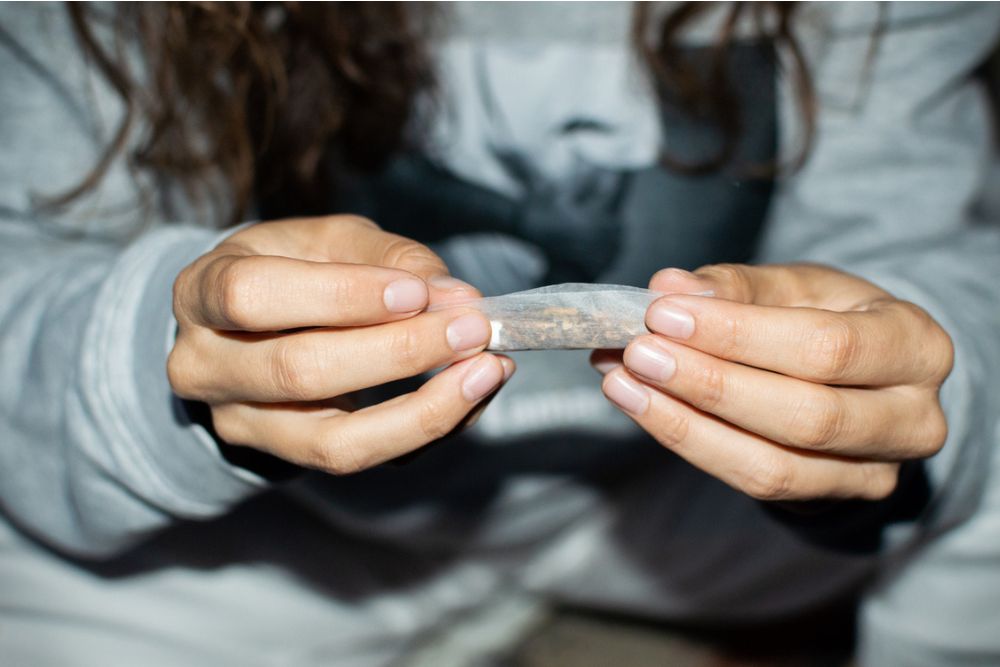
Manufacturers produce Mojo by spraying synthetic chemicals onto shredded plant material, creating a product that loosely resembles marijuana. The mixture can be smoked, vaporized with an e-cigarette, or mixed into edibles. It is sold in gas stations, convenience stores, and online retailers, often labeled “not for human consumption” to sidestep regulations. The Synthetic Drug Abuse Prevention Act of 2012 classified dozens of synthetic cannabinoids as Schedule I controlled substances, but manufacturers continue to introduce new chemical variants faster than lawmakers can respond.
Why Mojo Is Far More Dangerous Than Marijuana
Many people try Mojo because they assume it is a legal, milder version of marijuana. That assumption is dangerously wrong. Synthetic cannabinoids like Mojo bind to the same receptors in the brain as THC, the active compound in marijuana. The critical difference is that Mojo binds much more tightly and with far greater intensity, acting as a full agonist at CB1 receptors in the brain. THC only partially activates those receptors. The result is a stronger, far less predictable high with a much higher risk of severe side effects.
The Unpredictable Chemistry Behind Every Dose
There is no quality control in Mojo production. The chemical composition varies from batch to batch, and sometimes from one packet to the next within the same brand. One dose might contain a relatively low concentration of synthetic compounds. The next could contain something entirely different, or a concentration several times higher than expected. Contamination is also a real concern. Some batches have been found to contain other dangerous substances, including fentanyl.
This unpredictability is not a flaw in the product. It is a built-in feature of an unregulated manufacturing process where the goal is to stay one step ahead of the law, not to ensure your safety.
Serious Health Risks, Including Heart Attacks and Psychosis
The physical effects of Mojo go far beyond a marijuana-like high. Synthetic cannabinoid toxicity has been linked to a wide range of serious medical emergencies, even in young, otherwise healthy people. A 2025 case report documented a 32-year-old man with no history of heart disease who suffered a heart attack after smoking Mojo, caused by the complete blockage of a coronary artery.
Documented health effects include:
- Tachycardia (rapid heart rate) and dangerous spikes in blood pressure
- Acute psychosis, which is a break from reality that can include hallucinations and paranoia
- Seizures
- Acute kidney injury
- Respiratory depression and loss of consciousness
- Stroke
- Death
The psychiatric effects deserve special attention. Cannabis use disorder is already associated with increased risk of psychosis, but synthetic cannabinoids push that risk significantly higher. People without any prior mental health history have experienced full psychotic breaks after a single use of Mojo. For those with a predisposition to anxiety, depression, or psychosis, the risk is even greater.
The Signs of Mojo Use and Addiction
Recognizing a problem early can save a life. Mojo is appealing to some users precisely because it often does not show up on standard drug tests, making it attractive to people on probation, in the military, or subject to workplace testing. Teens and young adults are disproportionately affected, drawn in by easy access and the false impression of safety.
What Withdrawal Looks Like
Regular Mojo use leads to dependence. When a person stops using it, withdrawal sets in, and it tends to be more intense than withdrawal from natural marijuana. Common withdrawal symptoms include:
- Severe anxiety and irritability
- Intense cravings
- Insomnia and disrupted sleep
- Nausea and headaches
- Profound depression that can persist for weeks
These symptoms make it very hard to quit without support. Attempting to stop cold turkey at home is not only uncomfortable but can be medically risky, particularly for heavy users.
Who Is Most at Risk
Young people are the most vulnerable population. Mojo is cheap, easy to find, and often perceived as a legal alternative to marijuana. Individuals already struggling with co-occurring mental health disorders, such as anxiety or depression, face a heightened risk of a severe psychological reaction. People in recovery from other substances who turn to Mojo as a workaround are also in serious danger, as the drug can trigger relapse and introduce new, compounding health problems.
You Don’t Have to Navigate This Alone
If you or someone you care about is using Mojo or struggling to stop, professional help is available, and it works. The unpredictable chemistry of Mojo makes medically supervised detox especially important, both to manage withdrawal safely and to monitor for complications.
At Rockland Treatment Center, we provide compassionate, evidence-based care for substance use disorders, including those involving synthetic cannabinoids. Our programs range from residential treatment to intensive outpatient support, and every plan is built around the individual, addressing both the physical and psychological dimensions of recovery. We serve residents throughout the Tampa Bay area, including Tampa, Clearwater, St. Petersburg, Brandon, Wesley Chapel, and Land O’ Lakes.
Reach out to Rockland Treatment Center today. The first step is simply making the call.